
 Books
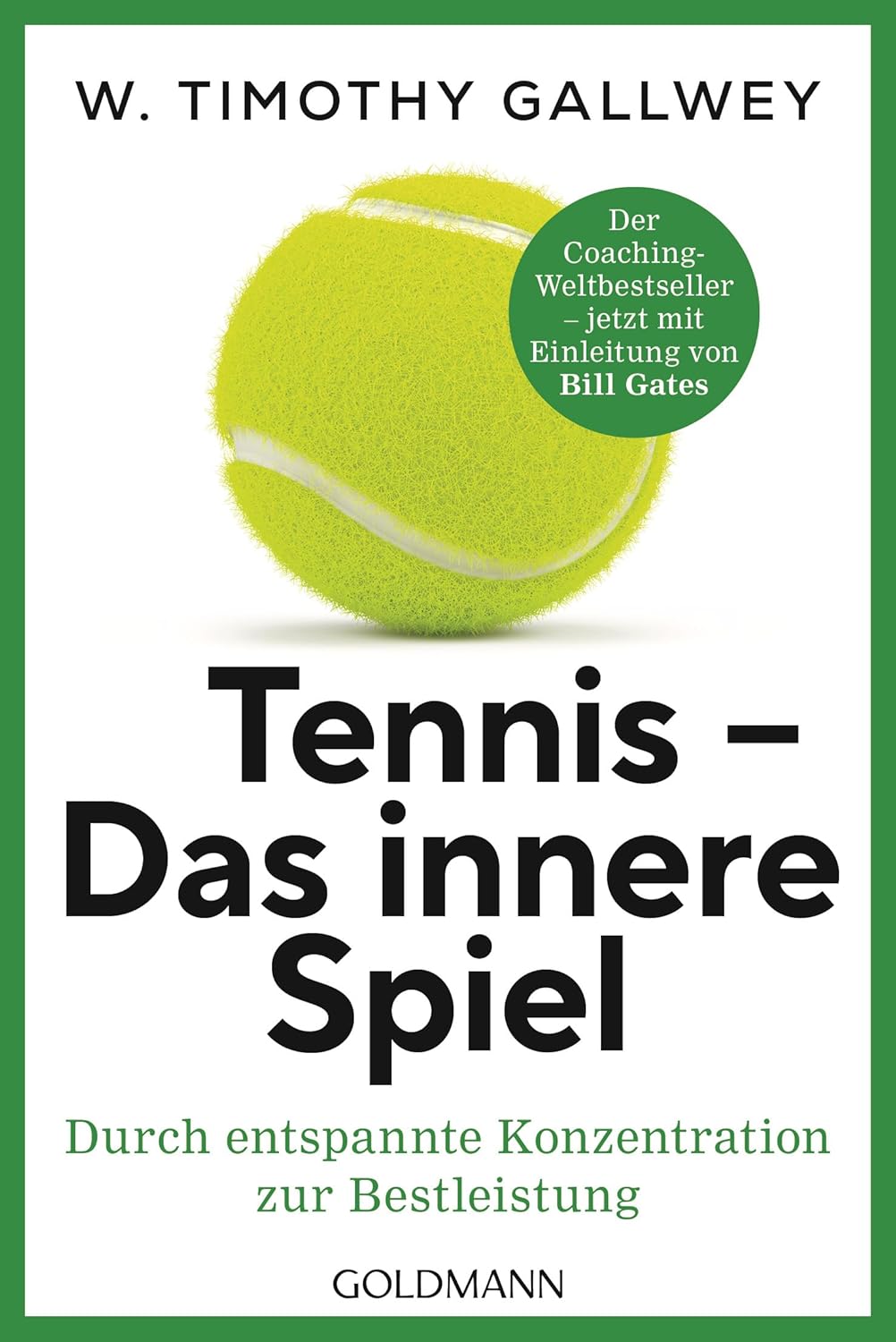
The Inner Game of Tennis
W. Timothy Gallwey
My take
“The original performance psychology book — teaches you that the real opponent is always in your own head.”
 NiklasUpdated 30 Mar 2026
 Love it
- Timeless principles that apply far beyond tennis
- Simple, practical framework: Self 1 (thinking) vs Self 2 (doing)
- Short and actionable — no filler, pure insight
- Changed how coaches and athletes think about performance
 Fair warning
- Tennis-specific examples may not resonate with everyone
- Written in the 1970s — language feels slightly dated
- Could go deeper on applying the concepts to business
This may be an affiliate link. I only recommend what I genuinely use.
The longer story
The Inner Game of Tennis
W. Timothy Gallwey's 1974 classic isn't really about tennis. It's about the mental game behind all performance — the battle between your conscious, overthinking mind (Self 1) and your natural, intuitive abilities (Self 2).
Why I Recommend It
This book fundamentally changed how I think about performance. Gallwey's insight is deceptively simple: we perform best when we stop trying so hard to perform. The conscious mind that analyzes, judges, and corrects is often the very thing preventing peak performance.
The key insight: trust the body. Trust the process. The moment you stop overthinking is the moment you start performing.
Key Takeaways
- Self 1 (the thinker) constantly interferes with Self 2 (the doer)
- Peak performance comes from quieting the inner critic, not from more instruction
- Focus on observation without judgment — see what happens, don't evaluate it
- Let the body learn through feel and imagery, not verbal commands
- Applies to business, music, public speaking — any performance domain
Who It's For
Anyone who overthinks under pressure, athletes looking for a mental edge, entrepreneurs who want to perform at their peak, or anyone curious about the psychology of flow states.